
A Rest-Day Stretch for the Whole Body
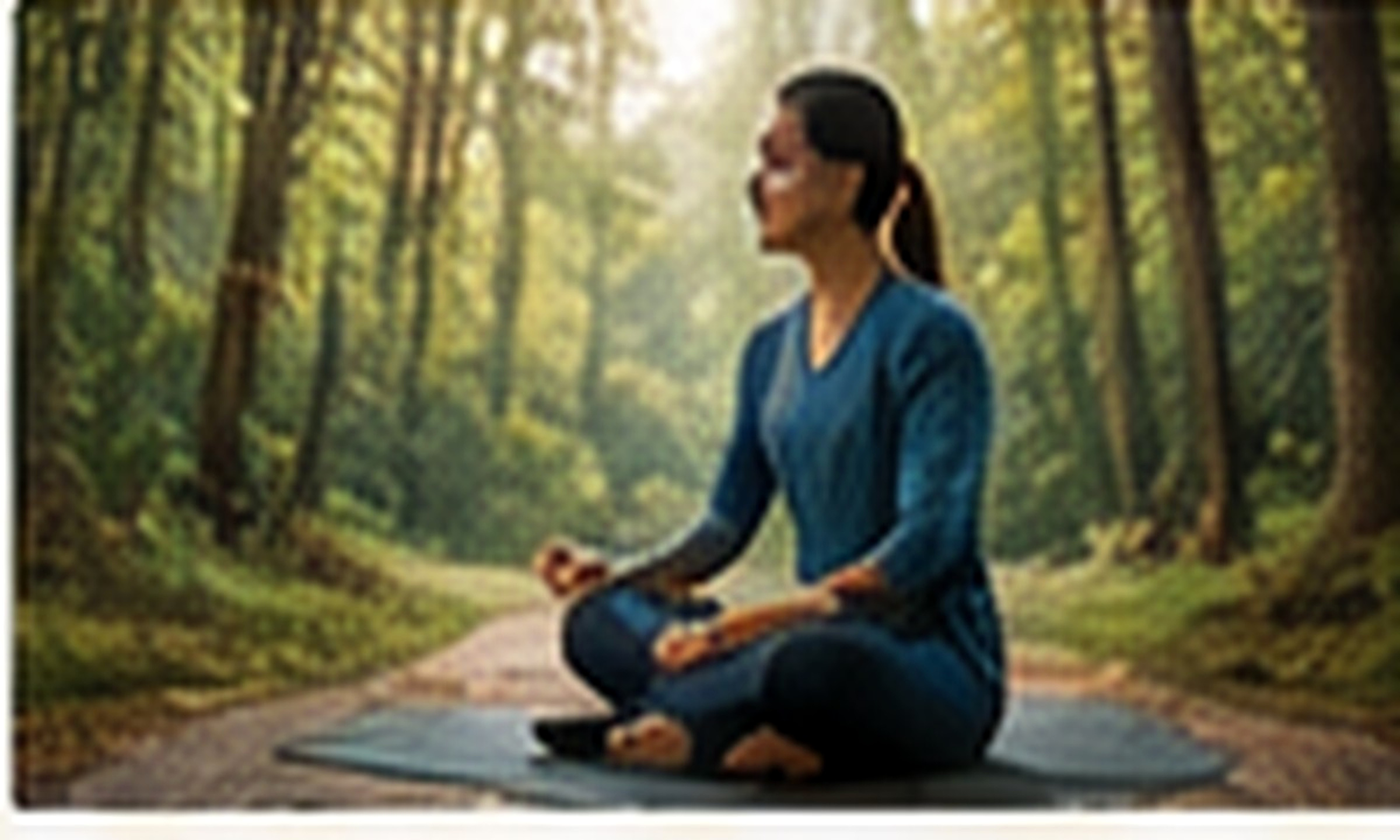
A rest day can still include movement. The difference is the intention. Instead of using stretching to push farther, use a few easy positions to explore how the body feels when it is not being asked to perform. This Movenestra sequence moves from standing to floor work and ends in quiet breathing.
Begin standing in a comfortable stance. Take a slow breath. Let your shoulders drop. Notice which parts of the body feel busy or stiff without deciding that you need to fix them immediately.
Start with easy standing movements
Reach both arms upward, then lower them. Make a slow circle with the shoulders. Add a gentle side bend to one side and return to center. Switch sides. Keep the feet planted and the knees soft.
Fold forward with your hands on your thighs. Pause for one breath, then press through the feet and return to standing. The transition matters as much as the shape. Move in a way that feels easy to reproduce.
Open the front and back of the legs
Step one foot back and keep the back heel down. Bend the front knee slightly and stay upright. Return to standing and switch sides. Next, place one heel on a low stable surface only if that position is comfortable. Hinge forward a little while keeping the back long. Lower the leg and switch sides.
The goal is not to create a strong pulling sensation. You are simply exploring a longer position for the legs while staying relaxed enough to breathe normally.
Move to the floor
Sit down and extend one leg at a time. Turn the chest gently toward the extended leg, then return to center. Switch sides. If the floor is uncomfortable, use a folded blanket underneath the hips or return to the chair.
Lie on your back with both knees bent. Let one knee move toward the chest, then return it. Switch. You can make small circles with the ankle while the leg is lifted, then lower it and change sides.
Bring both knees toward the chest only if that feels easy. Hold behind the thighs if you need to reduce the range. Lower the feet again and take several comfortable breaths.
Finish with simple stillness
Extend the legs or keep them bent. Rest the arms by your sides. Stay for a short period without searching for a special feeling. Notice the movement of the breath and the surface beneath you.
When you finish, roll to one side and sit up slowly. Take one final breath before standing.
Treat rest as information
A rest-day practice can help you notice how your body responds to an easier pace. Some days a few movements may feel welcome. On another day, sitting quietly may be the more appropriate choice. Neither needs to be scored.
Keep the routine adaptable. Use a smaller range when you are tired. Skip a position that does not feel clear. Rest whenever you need to. If you feel sharp pain, dizziness, numbness, or another unusual symptom, stop and seek appropriate professional guidance.
Rest and movement do not have to compete. A calm practice can simply create a little space between stillness and a harder training session. The measure is not intensity. It is whether the routine feels comfortable enough to repeat and clear enough to understand.
Let the session stay adjustable
A rest-day routine should have room for variation. You might feel ready for several standing movements on one day and prefer a shorter floor sequence on another. The same plan can support both options if you treat the listed positions as choices rather than obligations.
Use a blanket or cushion when the floor feels too firm. Use a chair when getting down or up is inconvenient. Shorten a stretch if you notice yourself holding your breath or gripping a joint. Those are practical adjustments, not signs that the session failed.
Finish by noticing what you actually practiced. You can ask: Which movement felt clear? Which one did I skip? Do I want the same sequence next time? A rest-day session can be useful simply because it gives you a slower way to move without adding another training target to the calendar.