
The Five-Minute Desk Break
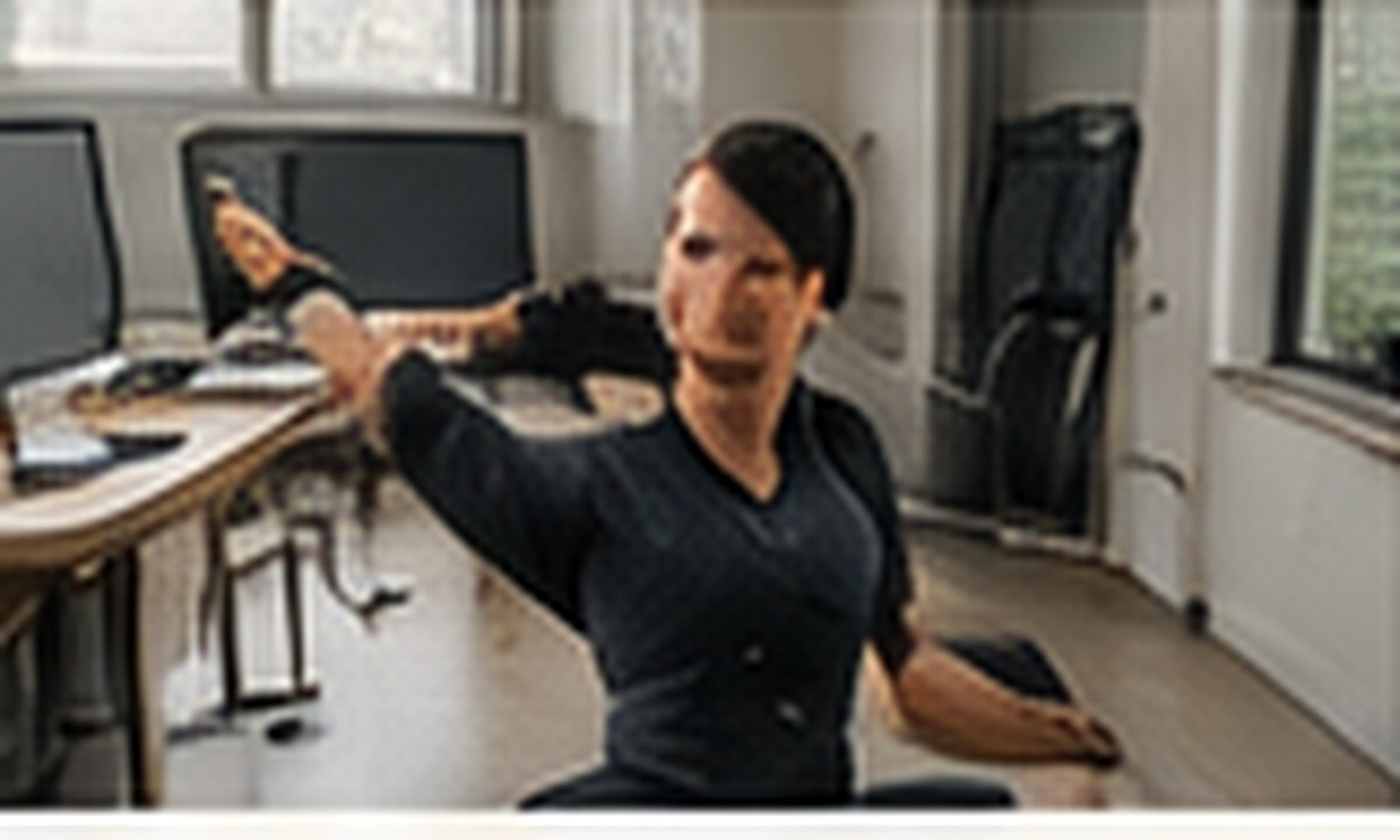
A desk break does not need a mat, special clothing, or a long schedule. The purpose is simply to interrupt one position and move through a few easy shapes. Movenestra uses five minutes as a framework, not a rule: you can make the break shorter or longer depending on your day.
Start by standing beside your desk. Let your arms hang down and take a comfortable breath. Look around the room instead of immediately checking another screen. Then begin with the upper body.
Reset the shoulders
Lift both shoulders toward the ears, hold for a moment, and lower them slowly. Repeat several times. Follow with slow shoulder rolls. Keep the jaw unclenched and let the hands stay loose.
Reach both arms overhead if the space allows. Lower them. Then reach one arm across the body and return it to your side before switching. The movements are intentionally ordinary; the point is to change position and attention.
Move the spine
Place your hands on your thighs and hinge forward slightly, keeping the knees soft. Return to standing. Repeat a few times. Then place your hands on your hips and rotate the chest a little to each side, keeping the feet steady.
Try a standing side reach: one hand can slide down the outside of the thigh while the opposite arm reaches overhead. Return to center and switch. Keep both feet planted so the movement stays controlled.
Move the hips and ankles
Step one foot behind you. Bend the front knee slightly and keep the back heel on the floor. Return to the starting position and switch sides. This is not a deep lunge; it is a simple change of stance.
For the ankles, shift your weight gently from heel to forefoot and back. Then lift one heel at a time. Finish with a few slow knee bends, using the desk for support if you want it.
Use the break to change focus
The final minute can be quiet. Stand tall, notice your feet, and take two comfortable breaths. Look at something farther away than your screen. You have changed your position without needing a complicated routine.
A useful habit is to attach the break to an event that already happens: finishing a call, sending a report, or standing up to refill a drink. The reminder does not have to be a timer. The goal is to make movement part of the rhythm of work rather than another task that requires a perfect schedule.
Keep the sequence flexible. Some days your shoulders may want the most movement; on another day you may prefer the legs and ankles. There is no required score. You can choose two or three movements and repeat them slowly.
Keep safety simple
Desk-break movement should feel manageable. Use support when needed, keep pathways clear, and avoid rushing. If you feel sharp pain, dizziness, numbness, or another unusual symptom, stop and seek appropriate professional guidance.
Five minutes is not a magic number. It is simply a useful container. A brief standing fold, shoulder roll, side reach, and gentle leg movement can provide a clear change of posture during a workday. The most practical routine is the one that fits the space you actually use.
Make the break easy to remember
A movement break is more likely to happen when the reminder is connected to something you already do. After sending a message, stand up. After finishing a call, take a short walk across the room. When a meeting ends, perform two shoulder rolls and a side reach before returning to the next task. The cue can be practical rather than motivational.
Keep the office version small enough that you do not need to change clothes or move furniture. Two minutes of standing and reaching is still a change from remaining in one position. On another day, use the full five-minute sequence. The format can expand or shrink without becoming a different habit.
Choose movements that fit the desk area. If the chair blocks a step, skip the step. If the room is crowded, keep both feet planted and use the shoulders, spine and ankles. The routine should adapt to the space you actually have instead of assuming a studio-like setup.